Winter Migration on the Dee Estuary
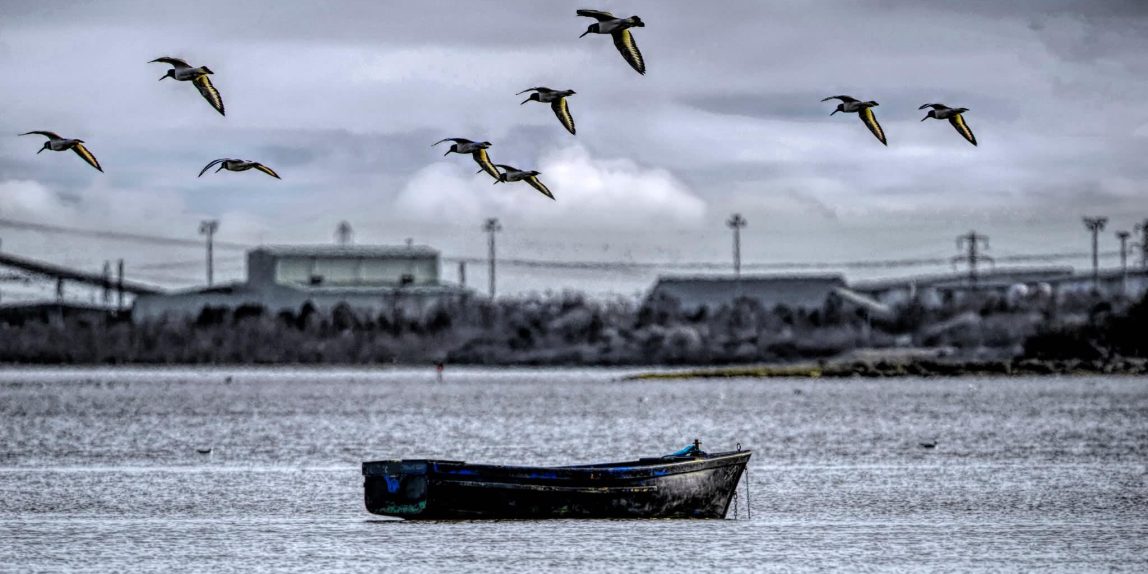
Driven by the same forces – shortening daylight, falling temperatures, and dwindling food supplies – tens of thousands of wildfowl and wading birds leave their Arctic and sub-Arctic breeding grounds every autumn to travel hundreds, and sometimes thousands, of miles to reach the food-rich mudflats of the Dee Estuary.
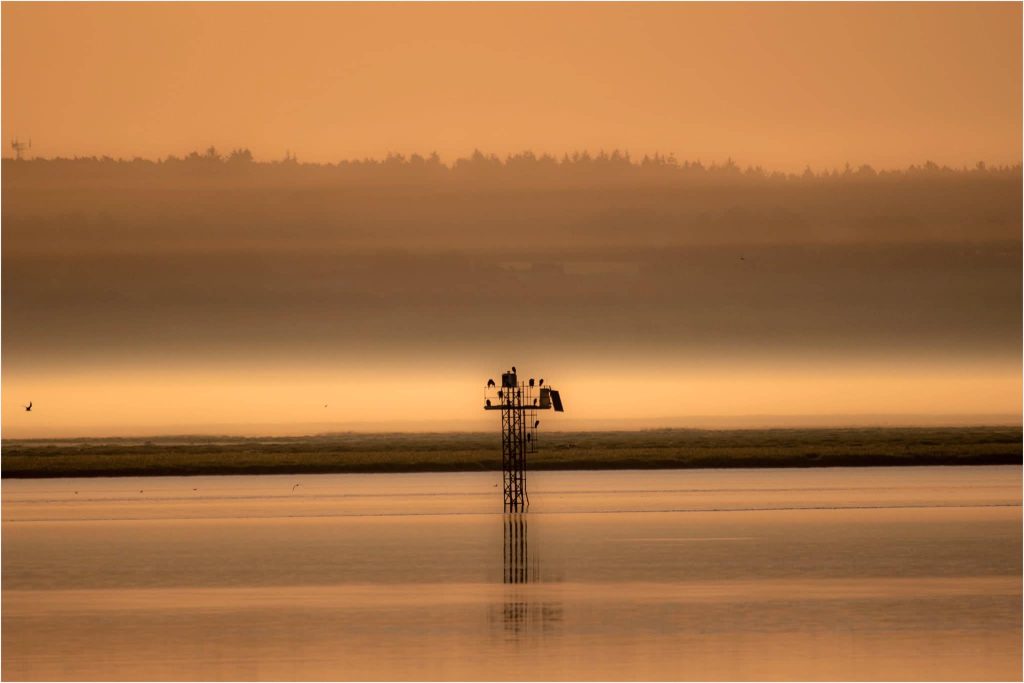
Lying between the Wirral Peninsula in north-west England and Flintshire in north-east Wales, the Dee Estuary begins near Shotton. Having travelled some 70 miles from its source in the mountains of Eryri, the river escapes its straightened, canalised section at Connah’s Quay to become the estuary proper, swelling to several miles wide as it flows towards the Irish Sea. The estuary ranks among the top ten in the UK for wintering wildfowl and waders, supporting at least 120,000 birds from dozens of species throughout the colder months.
Oystercatchers and dunlin gather in particularly vast concentrations, tens of thousands of them at any one time. Knot, arriving from their breeding grounds in Arctic Canada and Greenland, appear in similar numbers, stocky grey waders that often move as one dense, shifting flock across the open mudflats, while sanderling scuttle to and fro along the tideline on their short, stiff legs, racing the waves in and out. Alongside these are pintail, teal, shelduck, redshank, curlew and black-tailed godwit.
On the English side, near the village of Burton, RSPB Burton Mere Wetlands provides opportunities for close-up viewing of wintering wildfowl, its reedbeds and freshwater pools attracting birds from the open estuary at high tide. Further towards the mouth of the estuary, the dune systems around Point of Ayr and Talacre offer a different vantage point. Offshore, the Hilbre Islands, sometimes accessible with care at low tide from the Wirral side, are a great place to watch large roosts gathering as the water rises around them. As the mudflats disappear, birds are pushed into the air in their hundreds, concentrating their numbers onto the last remaining islands of exposed ground. It is in this narrow window, the hour or so either side of high tide, that the estuary puts on its most breathtaking display.
The fragile winter light only adds to this spectacle. The sun rises late and sits low even at midday, shadows stretch long across the mudflats, and the wet surface holds silvered reflections in shallow pools and shivering rivulets. Flocks lift, dark against the sky, then pale and shimmering as they turn in unison – a choreography of flight, over almost as soon as it begins.
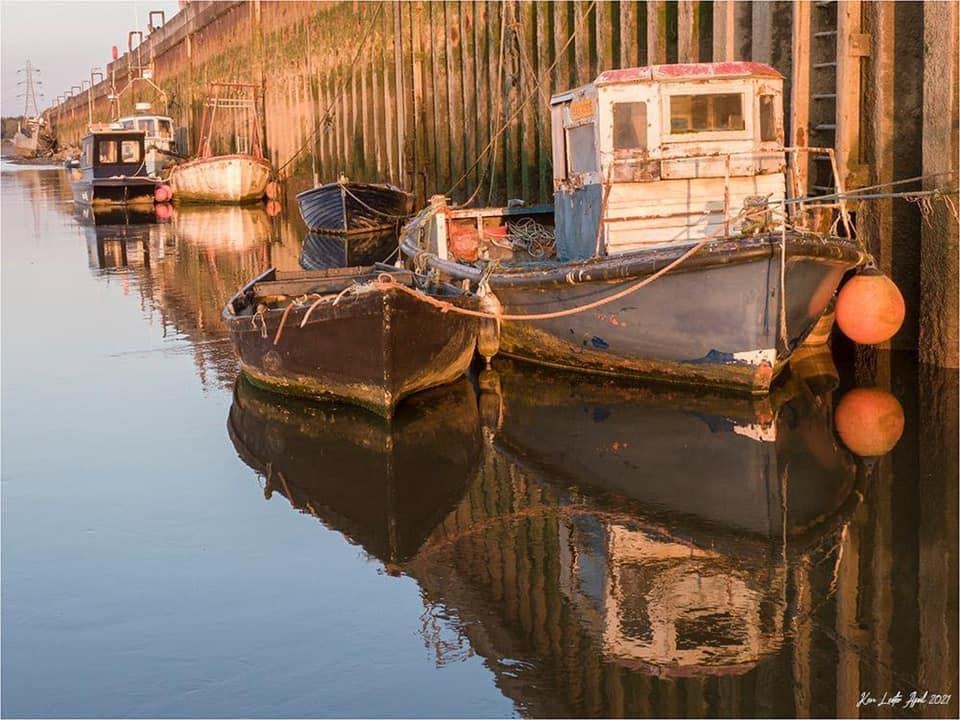
Having grown up in Connah’s Quay, I have known this stretch of the Dee for almost a lifetime. My dad worked at Shotton Steelworks for many years, and for me the estuary was a part of everyday life, a working landscape of heavy industry, fishermen and boats. I remember its sights, its smells, its sounds, absorbed almost unconsciously: the mud of the river, the loud, metallic clanks and deep rumbles from the works, towering vapour clouds from the old cooling towers, and always, birds calling across the water.
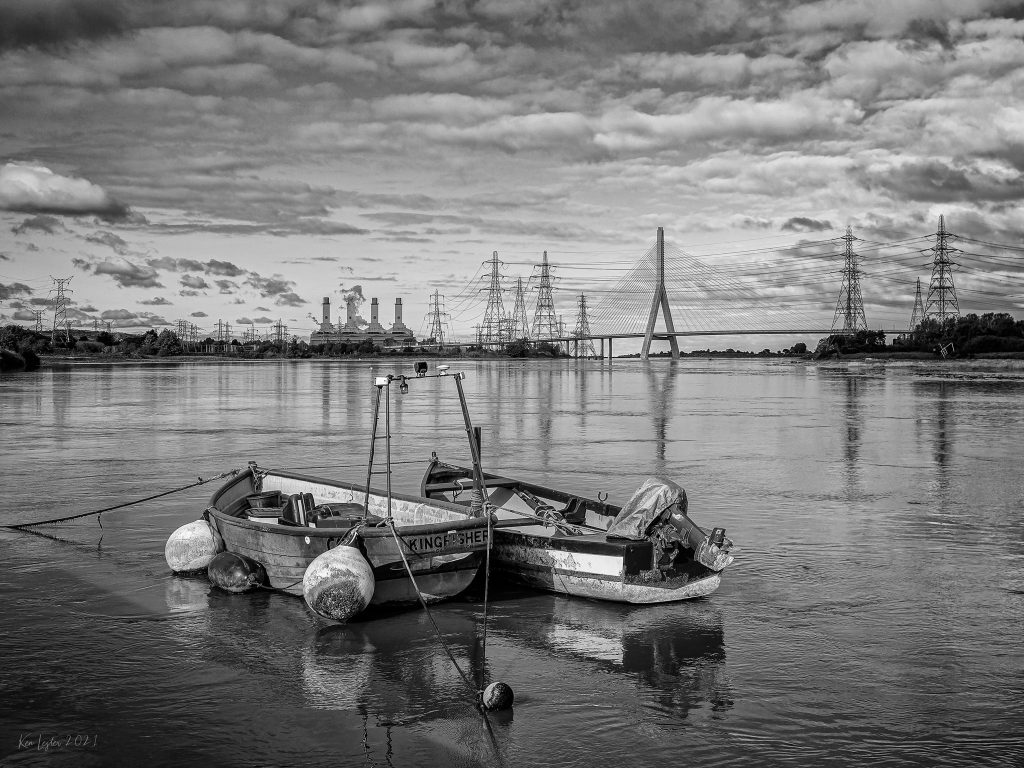
It is easy, living alongside it, to take this stretch of the Dee for granted, a vast expanse of mud at low tide, familiar and seemingly unremarkable. But what I once saw as simply part of home I now see quite differently – a dynamic landscape of rolling clouds, constant tides and shifting sands, teeming with life above, beneath and along its shores.